
Pongal: A Celebration of Earth, Craft & Culture (Natural Materials in Pongal Homes)
- Ombak Lifestyle

- Jan 6
- 4 min read
Updated: Jan 11
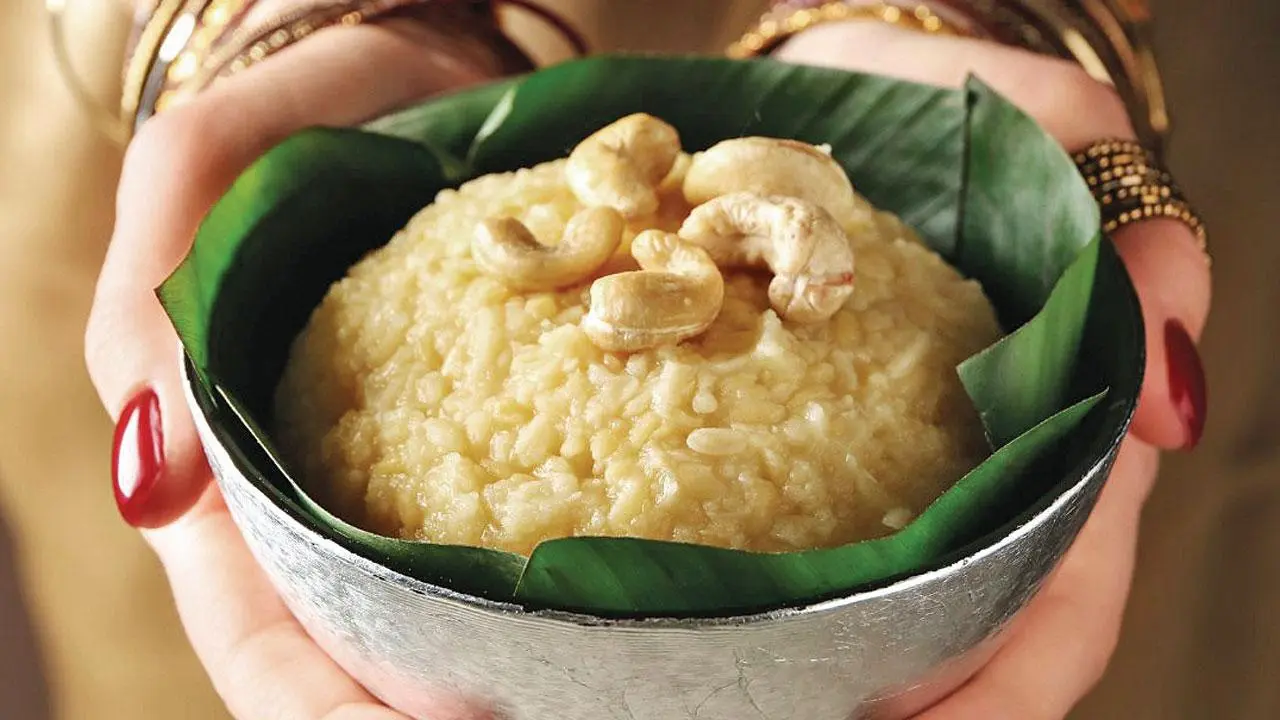
Step into a Pongal moment shaped by natural materials, where sustainability, craftsmanship, and continuity come together through Ombak’s perspective—brought to life with a visual celebration of earthy textures and traditional elements.
A Festival Woven from Natural Elements:
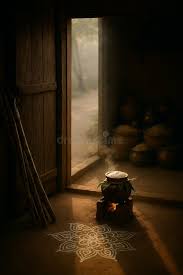
On a Pongal morning, the day begins quietly. Clay pots are set out in the open, banana leaves are washed and laid to dry, and sugarcane rests against doorways. The air carries the scent of rice boiling over firewood, mingling with earth and smoke. Nothing here is ornamental for the sake of it. Every material has a purpose, every object has a life beyond the festival.
At its core, Pongal is a harvest festival—one that reflects values of renewal, balance, and living in harmony with nature. It reminds us that abundance comes not from excess, but from harmony with nature.
This deep connection between people, materials, and land is also the philosophy that guides Ombak Lifestyle - where natural fibres are shaped into functional objects that respect both earth and artisan.

Natural materials in Pongal Homes:
Pongal homes showcase Tamil Nadu's deep connection to the earth through simple, locally sourced materials that are breathable, biodegradable, and tied to agricultural life
Banana Leaves & Fibres: Fresh banana leaves are washed and laid out as plates during Pongal, their broad surfaces holding hot dishes while naturally enhancing aroma and reducing waste. Banana fibre, often sourced from harvest byproducts, appear in simple weaves and accents—reflecting a seasonal, resourceful use of what the land provides.
Clay, Terracotta & Earthen Pots: The iconic Pongal panai is crafted from clay or terracotta, decorated with turmeric and garlands, and used to cook rice outdoors. These earthen pots regulate heat naturally and eventually return to the soil, embodying a cycle of use that honours both function and impermanence.
Palm Leaves & Coconut Fibres: Palm fronds form traditional thoranams at entrances, while coconut coir ropes bind sugarcane and floral garlands. Strong yet flexible, these fibres support daily rituals and festive setups, drawing from coastal abundance and long-standing agricultural practices.
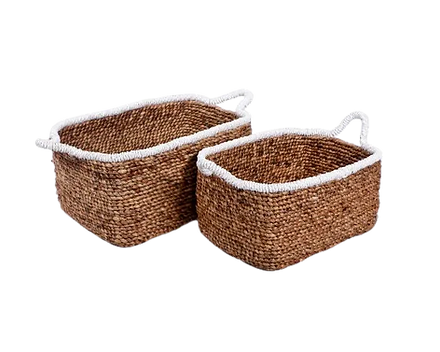
Wood, Cane & Woven Materials: Wooden planks support pooja arrangements, while cane mats and woven baskets create seating, storage, and serving spaces. Lightweight and breathable, these materials allow homes to remain open and communal, carrying Pongal’s woven heritage into everyday living.


The hands behind the materials:
Behind every natural object used during Pongal lies generations of skilled hands. Knowledge passed through families - from mud kilns to weaving looms - teaches artisans how fibres bend, breathe, and endure.
In villages across Tamil Nadu and parts of Indonesia, many weavers learn by touch rather than measurement. They understand when a fibre will break, how moisture changes tension, and which patterns emerge naturally. Weaving is slow by necessity. Each movement requires rhythm, patience, and respect for the material.
This is why hand-made pieces feel alive. No two weaves are identical - each carries the imprint of the day, the hand, and the fibre itself.





Traditional vs Single Use Décor: Built to Last
Traditional Pongal décor is never single use. Baskets that store grains before the festival serve food during it, and return to everyday use after. Floor mats welcome guests one day and daily meals the next.
In contrast, disposable plastic garlands and banners create momentary colour but leave lasting waste. Pongal teaches a quieter lesson - celebration does not require excess, only intention.
Every Ombak piece reflects this same respect for material and maker—crafted by artisans using time-honoured techniques
Pongal for Modern Apartments: Simple, Rooted Style:
Urban apartments can't replicate ancestral courtyards, but Pongal thrives with restraint - a single kolam at the door, sugarcane by the balcony, one clay pot on the table.
Natural textures soften modern spaces: a woven basket against white walls, a seagrass tray paired with minimal ceramics, a palm mat beneath low seating. Small, thoughtful choices allow the spirit of Pongal to live on — long after the festival ends.


Pongal's Lessons for Conscious Living:
Pongal embodies gratitude for nature's gifts - sun, rain, soil - urging us to slow down from fast consumption and choose intentionally: clay over plastic, fibres over synthetics, handcraft over haste. It invites living closer to nature at home through breathable materials and beyond through seasonal awareness, turning every space into a mindful sanctuary.
Let 2026 be our Pongal year - conscious, rooted, and sustainable with choices like Ombak's natural weaves that honor earth and artisan alike.
And what is Pongal without the joyful call of ‘Pongalo Pongal’? Come, say it with us - in gratitude for the earth, in honour of craft, and in celebration of continuity
Looking for eco-friendly Furniture and Home Decor?
You’re in the right place!
Ombak Lifestyle creates eco friendly furniture, home décor, and utility products using natural materials like banana fiber, seagrass, water hyacinth, rattan, rope, raffia, paper cord, pine needle, and more. Every piece is crafted in collaboration with artisans, NGOs, and women-led communities across India and Indonesia - ensuring purpose in everything we make.
We serve customers globally - from individual homeowners to large scale businesses and offer customisable solutions to suit your space and needs.
To learn more, reach out to us on WhatsApp (+91-93450 60983) or email us at hello@ombak.life.


Comments